How to Read an FDD as a Landlord: Items 19, 20 and 21
Use the Franchise Disclosure Document to judge the brand behind a franchisee net lease tenant: unit economics, closures, and franchisor finances.
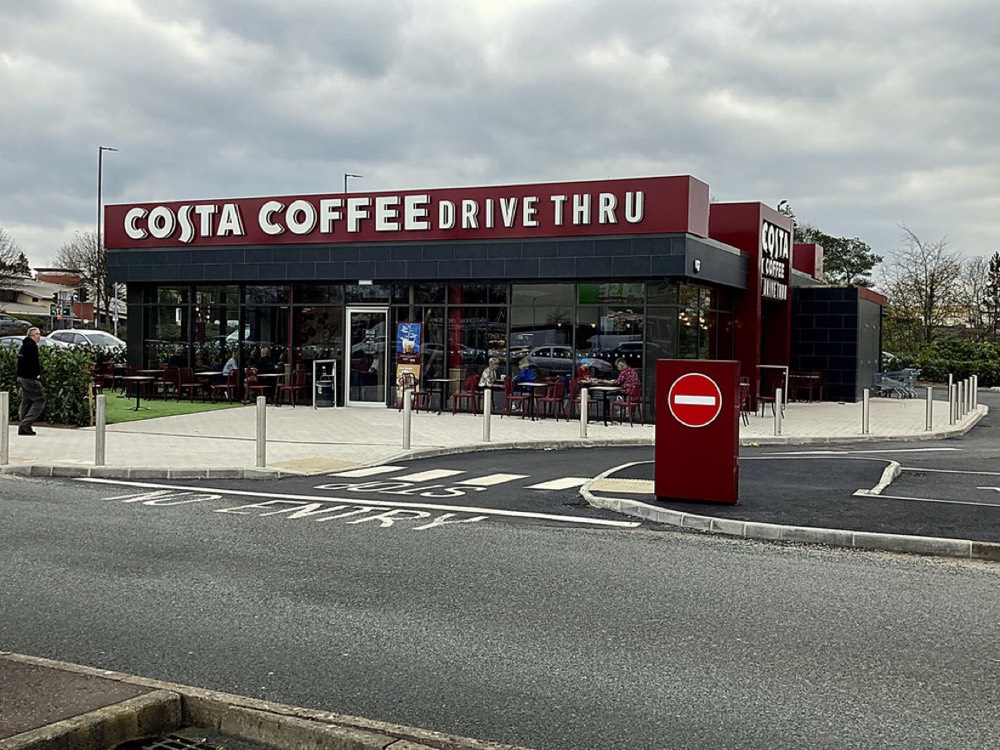
Why landlords should read FDDs
When a quick-service restaurant or service business is operated by a franchisee, the lease is usually backed by the franchisee, not the brand's corporate parent. The franchisee's own financial statements tell you most about credit, but the health of the brand determines whether the location stays open and whether the space has value to another operator if the tenant fails.
The Franchise Disclosure Document is the best public source on that brand. The FTC Franchise Rule requires franchisors to provide it to prospective franchisees, and several states that register franchises, including California, Wisconsin, and Minnesota, make filed FDDs searchable online.
Item 19: unit economics
Item 19 contains any financial performance representations the franchisor chooses to make. Franchisors are not required to include one, but most larger systems do. Typical disclosures include average or median unit sales, sales by quartile, and sometimes store-level costs or profit.
For a landlord, Item 19 is the benchmark for a location's likely sales. Compare the tenant's rent with the system's average and median sales to estimate an occupancy cost ratio. Read the footnotes carefully: some Item 19s include only mature units, only company-owned stores, or only the top-performing segment, which can make averages look stronger than a typical franchised unit.
Item 20: openings, closures and transfers
Item 20 presents three years of outlet data: units opened, transferred, terminated, not renewed, reacquired by the franchisor, and ceased operations for other reasons, broken out by state and by franchised versus company-owned. It also lists current franchisees and those who left the system recently.
This is often the most revealing section for a net lease investor. A system with steady openings and few closures is healthier than one with rising terminations or a large number of transfers, which can indicate struggling operators selling out. Check the state where your property sits, and look for the tenant entity in the franchisee list to confirm unit count.
Item 21 and the rest of the document
Item 21 contains the franchisor's financial statements, typically audited. A franchisor with weak liquidity or heavy debt may cut support, marketing, or remodel funding, and a franchisor failure can damage an entire system. Look at revenue trends, profitability, debt, and any going-concern language.
Other items are worth a skim. Item 3 covers litigation, Item 7 estimates the initial investment, and Item 12 describes territorial rights, which helps you judge whether another unit could open nearby and cannibalize your location's sales. Read the FDD alongside the tenant's financials, store sales if the lease requires reporting, and the real estate fundamentals.
Frequently asked questions
Where can I find a franchise's FDD?
Several states that require franchise registration publish filed FDDs in free online databases, including California's DFPI, Wisconsin's DFI, and Minnesota's Department of Commerce. Coverage varies by brand and year, so check more than one state. Some franchisors also share the FDD directly on request.
Does every FDD include Item 19 sales data?
No. Item 19 is optional. A franchisor may decline to make any financial performance representation, in which case Item 19 states that none is made. Many established systems do provide one, but if it is missing, landlords should rely more on tenant-reported store sales and the franchisee's financial statements.
What is a red flag in FDD Item 20?
Watch for rising terminations, non-renewals, or units that ceased operations, a large number of transfers relative to system size, net unit declines, or concentrated closures in your property's state. Any of these can signal operator stress or weakening brand economics, even if the franchisor's headline sales look stable.
Does the franchisor guarantee the franchisee's lease?
Usually not. Most franchised locations are leased by the franchisee entity, sometimes with guarantees from the franchisee's owners or affiliates. The franchisor is generally not liable for rent. Confirm the exact tenant and guarantor entities in the lease rather than assuming the brand stands behind it.
Educational content, not tax, legal or investment advice.