Evaluating Dark Store Risk in Net Lease
What it means when a net lease tenant goes dark, how go-dark and recapture clauses work, and how to underwrite the risk before you buy.
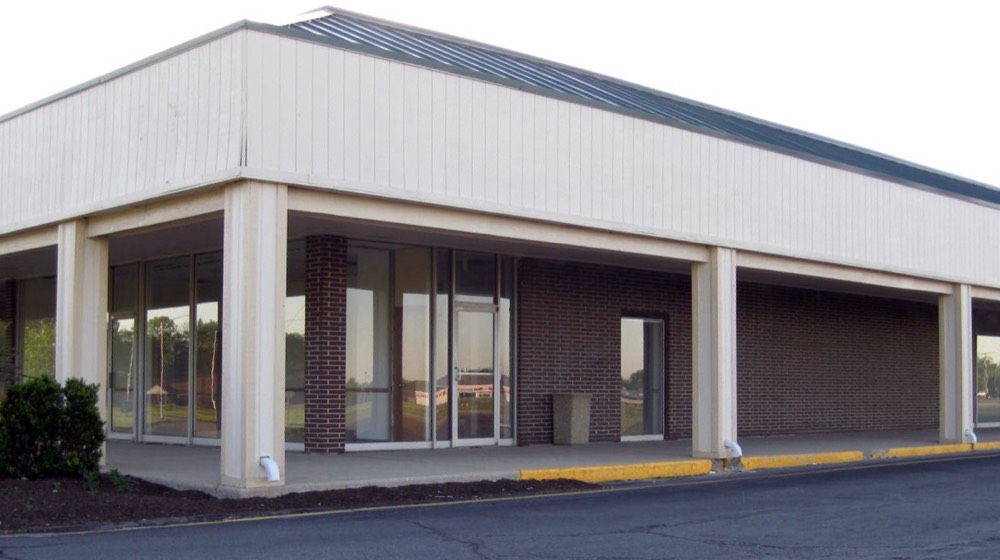
What 'going dark' means
A tenant goes dark when it stops operating in the building. Under many net leases, especially with national retailers, a tenant may close the store while still paying rent through the end of the term. The landlord keeps collecting income, but the property's value can change sharply.
A dark building can deteriorate, invite vandalism, and signal to buyers and lenders that renewal is unlikely. In a shopping center, a dark tenant can also trigger co-tenancy rights for neighbors. For a single-tenant owner, the biggest risk is that the dark tenant pays out the term and then leaves an empty building.
Lease provisions to read
Start with the use and operating covenants. Does the lease require continuous operation, or does it expressly allow the tenant to cease operations? Many national tenant leases allow going dark. Then read the recapture clause, which may let the landlord terminate the lease and retake the building after the tenant stops operating for a set period.
Also review assignment and subletting rights, since a dark tenant may sublease to a weaker operator, and check whether the original guarantor stays liable. Confirm who maintains the building while dark and whether the tenant must keep it insured, secured, and in good repair.
Underwriting the risk
The best predictor of whether a tenant will stay is how well the location performs. Where available, look at store sales, rent coverage, and occupancy cost ratio. A store paying rent that is a small share of its sales is far less likely to close than one where rent is a large share.
Then ask what happens if the tenant leaves. Compare the lease rent with market rent for similar buildings nearby, consider how reusable the building is for other tenants, and estimate the downtime and re-tenanting cost. Buildings with generic layouts, good access, and below-market rent carry less dark risk than highly specialized buildings with above-market rent.
Signs to watch after you buy
Monitor the tenant's public statements, earnings calls, and store closure announcements, along with credit rating changes. Watch for reduced hours, staffing changes, or the tenant opening a newer store nearby. If the lease requires sales reporting, track trends over time rather than a single year.
If a tenant does go dark, act early. Engage the tenant on a lease buyout, sublease to a quality operator, or recapture if the lease allows. Starting conversations while the tenant is still paying rent usually gives the landlord more leverage and time than waiting for lease expiration.
Frequently asked questions
Can a tenant stop operating but keep paying rent?
Often, yes. Unless the lease contains a continuous operation covenant, many tenants, particularly national retailers, may close the store while continuing to pay rent and meet other lease obligations. The landlord keeps the income but faces deterioration, re-leasing, and valuation risks.
What is a recapture clause in a dark store situation?
A recapture clause lets the landlord terminate the lease and take back the premises, typically after the tenant stops operating for a stated period. It allows the landlord to re-lease the building rather than wait out the term. Notice requirements, cure rights, and timing vary by lease.
How do I tell if a net lease tenant might go dark?
Look at store-level sales, rent coverage, and occupancy cost compared with the brand's average. Monitor the tenant's financial reports and closure announcements, local competition, and whether the tenant is opening newer stores nearby. Above-market rent and weak sales are the strongest warning signs.
Does a dark store affect financing?
Yes. Lenders generally view a dark property as riskier even if rent is current, because renewal is unlikely and the building may need re-tenanting. Expect lower loan proceeds, higher reserves, or difficulty refinancing, especially as the lease approaches expiration.
Educational content, not tax, legal or investment advice.