Sale-Leaseback Basics for Net Lease Investors
How sale-leasebacks work, why companies use them, and which lease terms buyers should negotiate when structuring a new net lease.
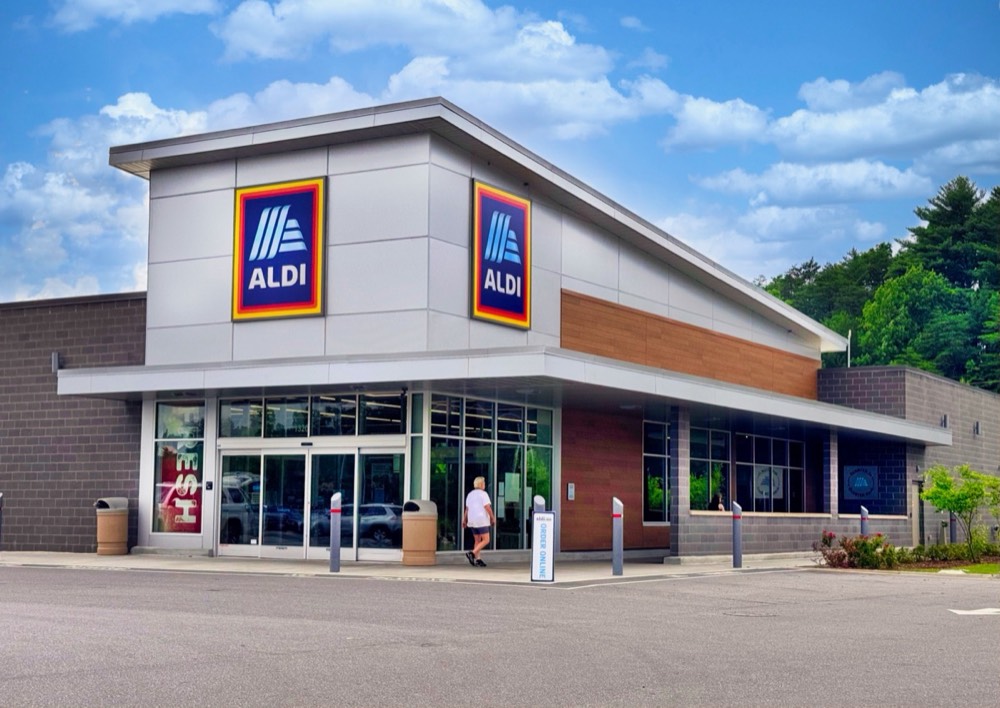
How a sale-leaseback works
In a sale-leaseback, a company sells real estate it occupies to an investor and simultaneously signs a lease to keep using it. The seller becomes the tenant, and the buyer becomes the landlord. The lease is almost always a long-term net lease, often 15 to 25 years with renewal options.
Sale-leasebacks happen across restaurants, retail, industrial, healthcare, and service businesses. They range from a single building to portfolios of dozens or hundreds of locations under a master lease.
Why companies sell and lease back
For the seller, real estate is often a large, illiquid asset on the balance sheet. A sale-leaseback converts that equity into cash that can fund growth, acquisitions, debt reduction, or shareholder distributions, while the company keeps full operational control of the property.
Compared with a mortgage, a sale-leaseback can provide proceeds closer to full property value, with no maturity balloon. The trade-off is that the company gives up ownership, future appreciation, and some flexibility, and takes on a long-term rent obligation.
What buyers should negotiate
Unlike buying an existing lease, a sale-leaseback buyer helps write the lease. Key terms include rent and rent increases, term length, the guarantor entity, absolute versus NN obligations, financial reporting covenants, assignment and subletting restrictions, and go-dark and recapture rights.
For multi-site deals, a master lease with cross-default protects the landlord from a tenant later rejecting only its weakest locations. Ongoing reporting of store-level sales or EBITDAR and corporate financial statements is one of the most valuable protections, because it lets the owner monitor credit and rent coverage throughout the hold.
Pricing and the rent trap
Sellers want a high price, and the easiest way to support a high price is higher rent. But rent set well above market creates risk: the tenant may struggle to pay, and if it leaves, a replacement tenant will pay less. Disciplined buyers check rent coverage and compare rent with market rents for similar buildings.
The best sale-leasebacks combine sustainable rent, strong coverage, a credible guarantor, and real estate a replacement tenant would value. A slightly lower rent with better coverage and term is often a safer long-term investment than an aggressive rent that maximizes the purchase price.
Frequently asked questions
Why would a company do a sale-leaseback instead of getting a mortgage?
A sale-leaseback can unlock proceeds near full property value without a loan maturity or restrictive debt covenants, and it frees capital for the core business. A mortgage keeps ownership and appreciation but usually provides less capital and adds leverage. The right choice depends on the company's capital needs and strategy.
Who sets the rent in a sale-leaseback?
The buyer and seller negotiate it together, along with the price. Higher rent supports a higher price but can strain the tenant and exceed market rent. Buyers typically test rent against store-level performance, rent coverage, and comparable market rents before agreeing to terms.
What is a master lease in a sale-leaseback?
A master lease covers multiple properties in one lease with a single rent obligation and cross-default. It prevents the tenant from abandoning weaker locations while keeping stronger ones and is common in portfolio sale-leasebacks of restaurants and retail stores.
Is a sale-leaseback a good 1031 replacement property?
It can be. A newly created long-term net lease offers full remaining term and terms the buyer helped negotiate, which appeals to 1031 investors. However, timelines can be longer than buying an existing leased property, so exchange deadlines need careful planning.
Educational content, not tax, legal or investment advice.